
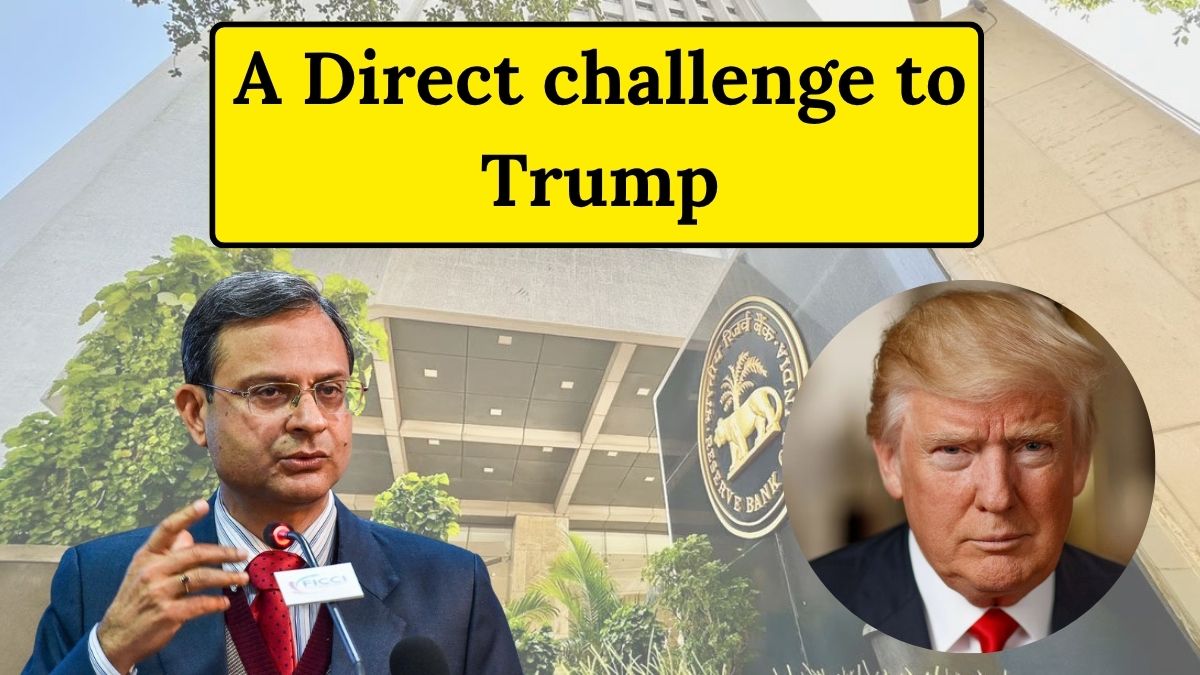
Internationalising Indian Rupee: Have you ever wondered what would happen if the world started using the Indian Rupee instead of the US Dollar for trade? That future may not be as far away as it once seemed. In the latest RBI Monetary Policy Committee (MPC) meeting, Governor Sanjay Malhotra announced three major steps to strengthen the rupee’s position globally—and it’s a decision that could change India’s economic story in a big way.
For years, the dollar has been the king of international trade. Whether it’s oil imports, machinery purchases, or global investments, most countries turn to the US dollar. But here’s the thing—every time India trades in dollars, we pay an extra cost in conversion and settlement. That’s money flowing out of the country. What if those billions could be saved and reinvested back home? That’s exactly the vision behind RBI’s new moves.
Why Internationalising the Rupee Matters
Think about your daily life. When you shop online, you sometimes pay extra for currency conversion if the site charges in dollars. On a national scale, this happens on a massive level. India spends thousands of crores every year on currency exchange costs. By pushing the rupee in global trade, RBI aims to reduce this dependency on the dollar and make the Indian economy more self-reliant.
Beyond cost savings, there’s also a matter of pride. A globally accepted rupee would not only reflect India’s growing economic strength but also provide businesses with a smoother, cheaper way to trade internationally.
Step 1: Rupee-Based Loans Abroad
The first big step is allowing loans in Indian Rupees outside India. For the first time, Non-Resident Indians (NRIs) living abroad can now access rupee-based loans in countries like Bhutan, Nepal, and Sri Lanka. This has been made possible through RBI’s agreement with the Asian Development Bank.
Why is this a big deal? Because when NRIs borrow in rupees, it increases global circulation of our currency. Imagine a business owner in Nepal taking a loan in rupees, trading with an Indian company, and repaying in the same currency. That cycle boosts demand for the rupee beyond our borders.
Step 2: Rupee in International Trade
The second step is even more ambitious. RBI is actively working with major trading partners to settle transactions in rupees rather than dollars. If this gains traction, it would mean that Indian exporters get paid directly in rupees, and importers can also make payments in the same currency.
Countries that trade heavily with India—like those in Asia, Africa, and even parts of Europe—are already in discussions. For exporters, this reduces risk from fluctuating dollar rates. For the country, it builds resilience against global currency shocks.
Simply put: the more the rupee is used in trade, the stronger it becomes on the world stage.
Step 3: Special Rupee Vostro Accounts
The third move focuses on something technical but powerful—Special Rupee Vostro Accounts. These are accounts that foreign banks can hold in Indian banks (and vice versa) to enable trade in local currencies.
Until now, the money in these accounts had limited use. But RBI is exploring ways to allow these funds to be invested in corporate bonds and commercial papers. That means foreign institutions could not only hold rupees but also invest them in India’s financial markets.
This opens up a new avenue for foreign capital to enter India without relying on the dollar, which could fuel infrastructure projects, corporate growth, and job creation.
What This Means for You and Me
At first glance, these policy decisions might feel distant, like something only bankers should care about. But here’s why it matters for everyday Indians:
- Cheaper Imports & Travel: If rupee trade expands, exchange costs go down. This could make imported goods—from electronics to fuel—more affordable.
- Stronger Economy: A globally accepted rupee strengthens India’s financial independence, shielding us from dollar volatility.
- New Opportunities for NRIs: Rupee loans abroad give Indians overseas better access to credit and smoother business operations.
It’s not just about economics—it’s about confidence. A strong rupee in global trade is a symbol that India’s economy is ready to stand shoulder-to-shoulder with world powers.
Frequently Asked Questions
1. What does “internationalising the rupee” mean?
It means making the Indian Rupee widely accepted for trade and investment across borders, reducing dependence on the US dollar in global transactions.
2. How will rupee-based trade help India’s economy?
It saves billions in exchange costs, stabilises exports, and increases demand for the rupee internationally, which strengthens the currency and economy.
3. What are Special Rupee Vostro Accounts?
These accounts let foreign banks hold rupees in Indian banks. RBI’s new move allows funds in these accounts to be invested in Indian markets, boosting economic activity.